
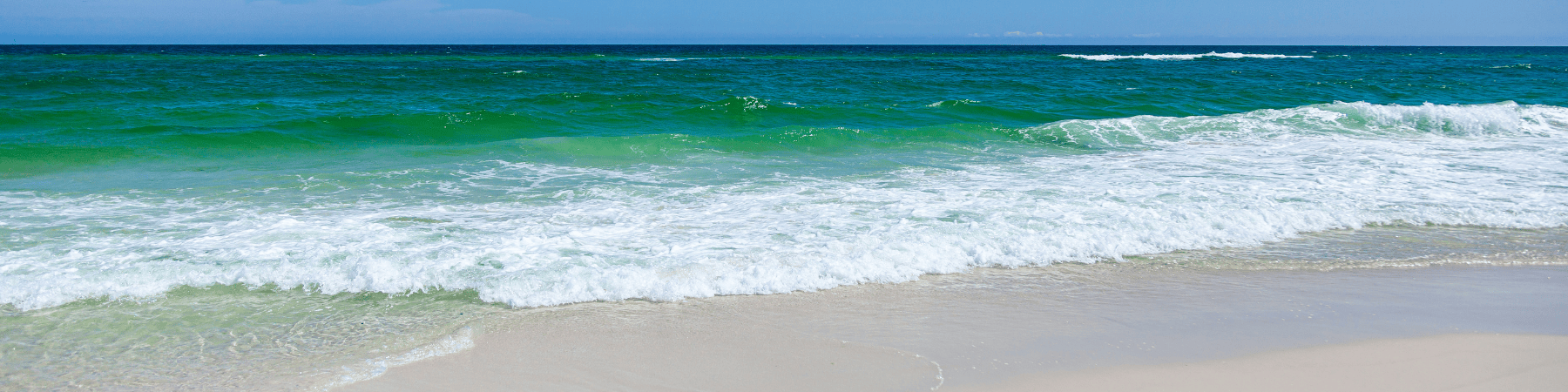
Looking for a fun family activity in Navarre Beach? Meet local marine life, join hands-on programs, and see why kids can't stop talking about the Navarre Beach's award-winning Marine Science Station, aka "Classroom by the Sea."
Nicknamed the "Classroom by the Sea," the Navarre Beach Marine Science Station (NBMSS) isn't really a tourist attraction. Sitting inside Navarre Beach Marine Park, it's an award-winning education center where marine biology students, scientists, volunteers, and educators spend their days studying the local coastline and introducing thousands of visitors to the wildlife and ecosystems that make Navarre Beach so special. But the experience isn't limited to the classrooms. Your visit can also include heading outdoors, where kayaking and snorkeling are as much recreational activities as they are scientific tools across many of the NBMSS programs.
If you're visiting with curious kids, or you're simply someone who enjoys learning something new on vacation, this beloved local spot will bring plenty of fun and leave you with an even greater appreciation for the natural surroundings and wildlife that call Navarre Beach home.
In this guide, I'll tell you everything you need to know about the Navarre Beach Marine Science Station, what to expect during your visit, how kids can enjoy it, the programs it offers, and much more.
A quick word from us:
At Blue Moon Vacation Rentals, we're proud to offer incredible Gulf-front homes and condos as your base in Navarre Beach. You'll find large group rentals, cozy condos, and even properties that welcome your pet. As experts in everything Navarre Beach, we share well-curated local tips on our blog, including guides to family-friendly fun, rainy or rest-day ideas, and much more.
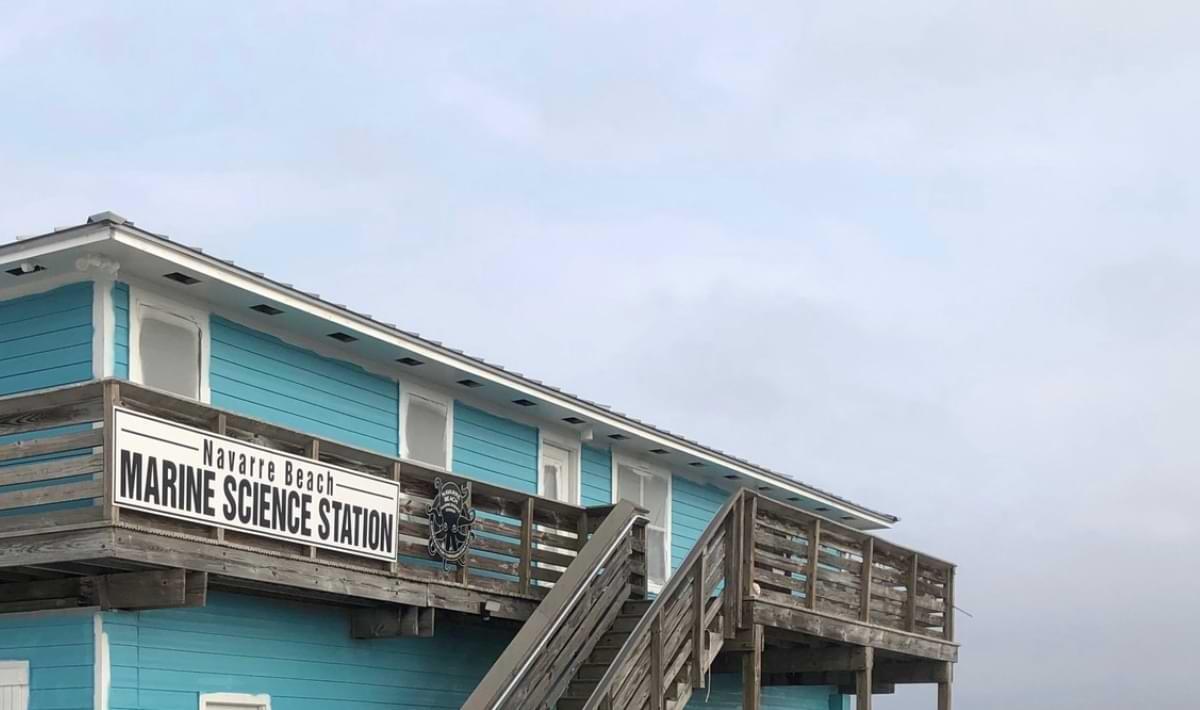
Getting to Know the Navarre Beach Marine Science Station
The Navarre Beach Marine Science Station opened in 2009 after an abandoned ranger station was transformed into an environmental education center by local teacher Charlene Mauro and her students. Today, it's one of Santa Rosa County's best-known education projects, sitting between the Gulf and Santa Rosa Sound inside the Navarre Beach Marine Park.
Calling it a "classroom" hardly tells the full story. Students don't spend much time sitting behind desks. They monitor water quality, study oyster reefs, kayak through local waterways, examine microscopic marine life, and head into the field to collect data. The coastline itself serves as the classroom, with wetlands, dunes, snorkel reefs, and the Sound all serving as outdoor learning spaces.
One feature sets the station apart from almost every other science center in Florida. High school students enrolled in dual-enrollment Marine Biology and Oceanography courses don't just learn here, they also teach. Throughout the year, these students lead hands-on lessons for thousands of younger children, creating an atmosphere that's far less intimidating than a traditional classroom.
Families Are Welcome Too
Although local students use the station throughout the school year, visitors are very much part of the picture.
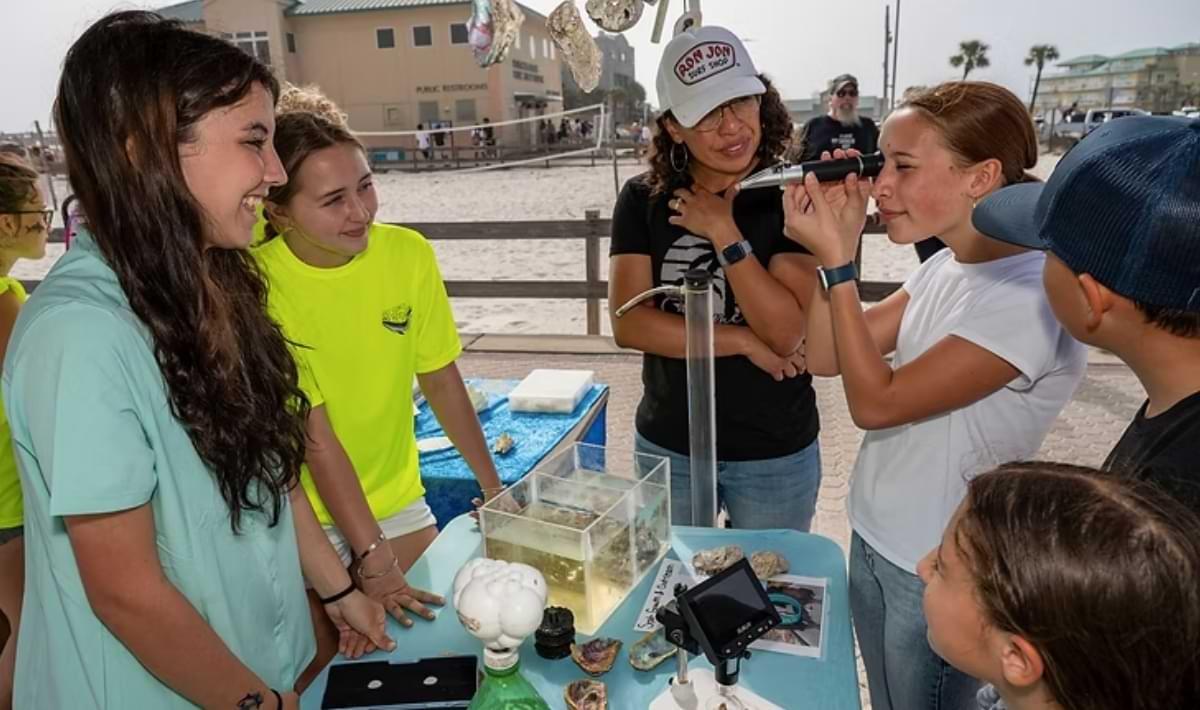
Vacationing families can join public programs, seasonal events, and community activities that extend well beyond the classroom. Depending on when you're visiting, you might find yourself kayaking through the Santa Rosa Sound, searching for marine life in shallow water, looking at plankton through a microscope, or meeting local sea creatures in the station's touch tanks.
Unlike attractions where you simply walk from one exhibit to the next, the station encourages true participation. You can ask as many questions as you want, touch marine animals, and don't be surprised if your shoes get sandy.
What You'll See Inside
The station may not be large, but it's packed with things to engage curious minds.
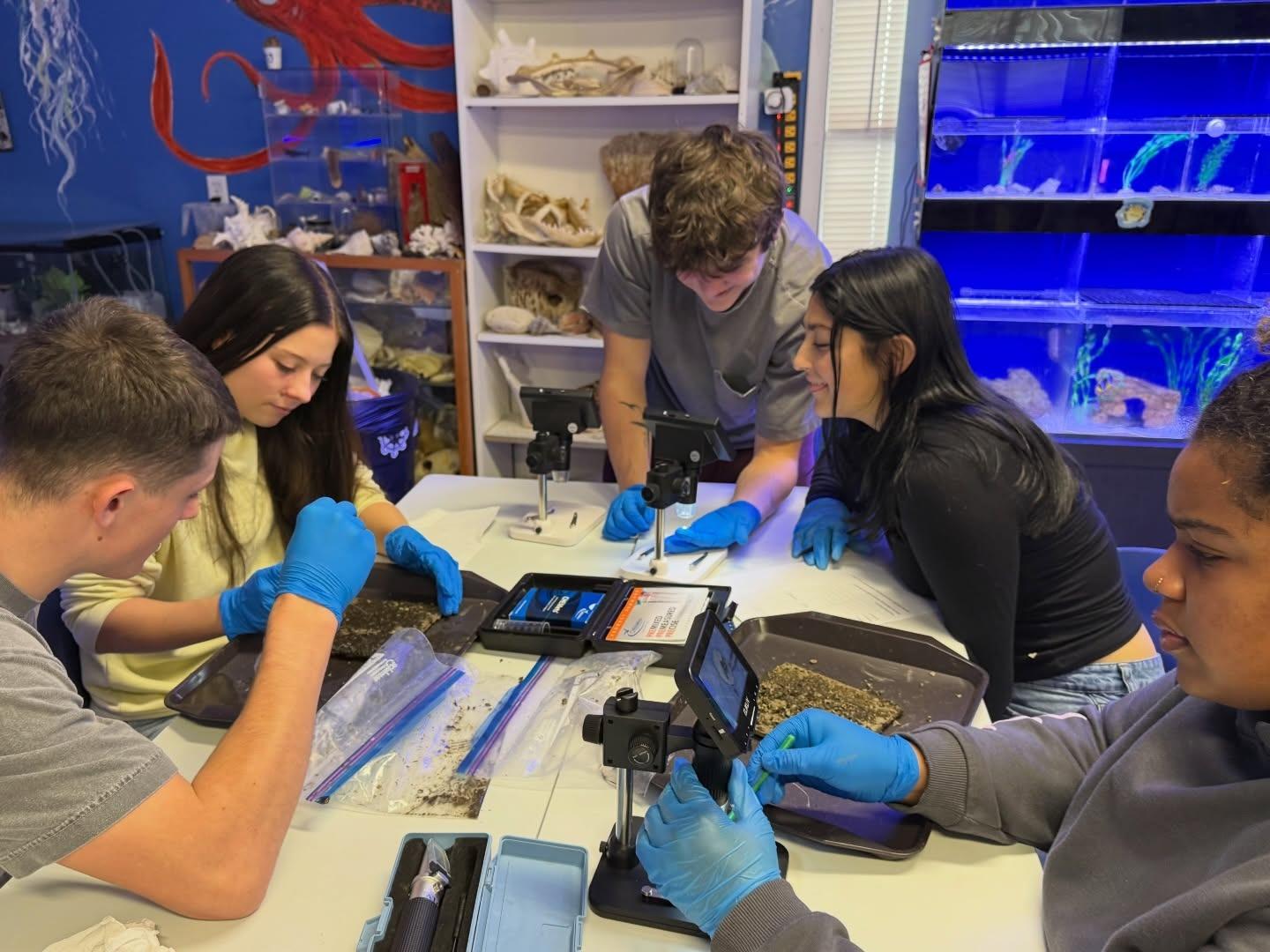
One of the first stops for many families is the touch tank, where children can interact with local marine creatures instead of simply looking at them through glass. Around the station, you'll also find more than a dozen aquariums showcasing local reef species, along with freshwater axolotls that always seem to attract a crowd.
The station features high-powered microscopes where you can examine plankton up close, along with demonstrations of Remotely Operated Vehicles (ROVs) in the station's pool. You'll also learn how researchers use this technology to study the underwater world.
The "Watch the Reef" live webcam is one of the station's most popular features. It lets you watch nearby artificial reefs in real time. Keep an eye out for sea turtles, octopuses, and schools of fish swimming through their natural habitat.
What Animals Can You See?
Marine life is the star of the show here, both inside the station and just outside its doors.
Touch tanks introduce visitors to sea stars and other local invertebrates, and the aquariums showcase fish commonly found around Navarre's reefs. Under the microscope, even a single drop of Gulf water reveals tiny organisms most people never realize are there.
Depending on the program you join, you may also come across nursery-aged sharks, juvenile shrimp, crabs, oysters, and small fish collected during shallow-water seining activities. Families kayaking in Santa Rosa Sound often spot dolphins, and the nearby snorkel reef attracts sergeant majors, juvenile snapper, and plenty of other colorful fish. During sea turtle nesting season, the beaches surrounding the station are an important nesting area for several sea turtle species, and it's common to see ghost crabs after sunset.
Why Kids Love It
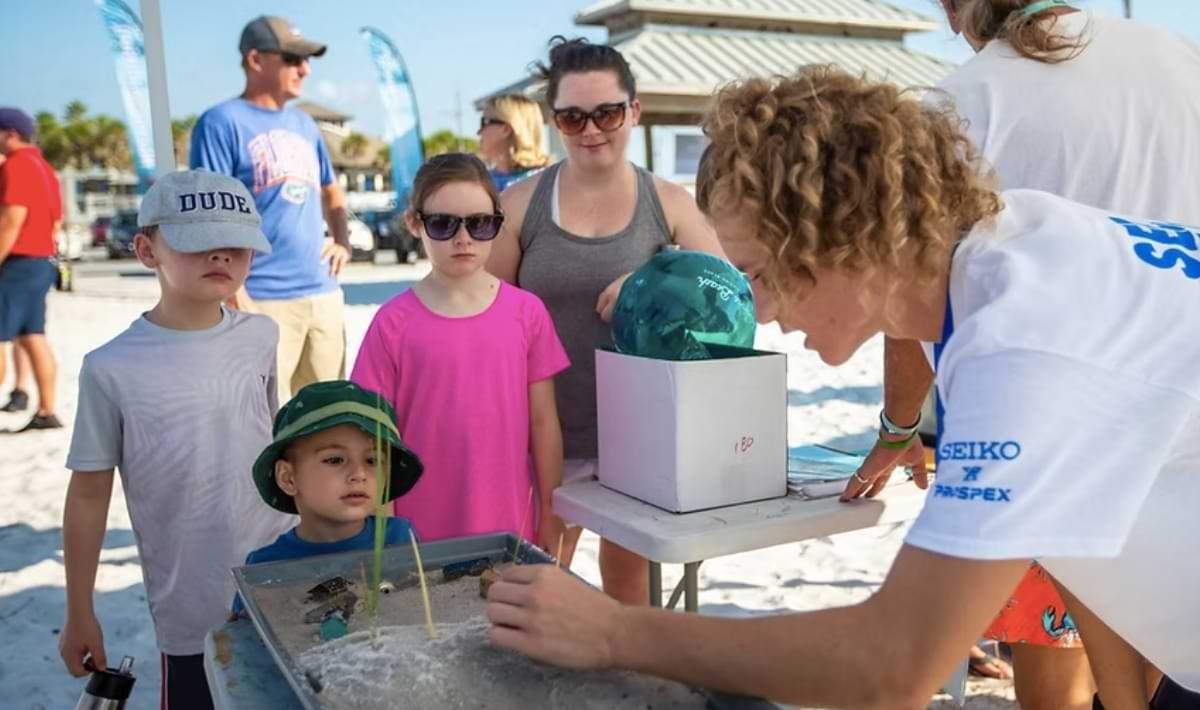
Since kids engage in activities like examining plankton under a microscope, holding a baby shark under supervision, dissecting a squid, paddling through the Sound, or helping identify marine animals collected in a seine net, they can't help but feel like scientists. And that's what makes it so much fun. The good thing is that they're also learning along the way.
Every program encourages the little ones to ask questions, make observations, and figure things out for themselves.Children head home having learned practical lessons about marine conservation, local ecosystems, and simple habits that help protect Florida's coastline.
Programs Worth Keeping an Eye On
Remember I mentioned kayaking earlier? One of the public programs the staff organizes is Saturday by the Sea, giving families four hours of kayaking, field studies, crafts, and animal encounters.
If your trip happens to line up with Creep into the Deep, don't miss it. Armed with flashlights, participants head out after dark to see a completely different side of Navarre Beach and learn why the ocean glows at night and what wildlife is active after sunset.
The calendar also includes events like World Ocean Day, the family-friendly Science-by-the-Sea Spooktacular, and Autism OdysSEA, a sensory-aware event created specifically for individuals with special needs and their families.
Historically, the station has also organized week-long Eco-Discovery camps covering topics like shark science, surfing, kayaking, marine conservation, underwater robotics, and Paddlepalooza adventures. More recently, the station has shifted its focus toward student-led projects and community events, so it's worth checking the latest schedule before your visit.
Planning Your Visit
The Marine Science Station sits inside Navarre Beach Marine Park, just a short walk from the Navarre Beach Sea Turtle Conservation Center and the Gulf-side snorkel reefs. If you're already planning to visit those attractions, it makes sense to visit them together.
The station is fully ADA accessible, with ramps throughout the property and beach wheelchairs available for public use. Visitors staying along Navarre Beach can reach it by bike using the multi-use path along Gulf Boulevard, although driving only takes about 10 to 15 minutes from most nearby accommodations.
Before heading over, check the station's website or Facebook page for the latest calendar. Public activities, workshops, and seasonal events vary throughout the year, and availability can change depending on school schedules and ongoing projects.
Want to Help?
Supporting the station can be as simple as making a few small choices during your visit.
Staff encourage visitors to leave Navarre Beach a little cleaner than they found it. Picking up a few extra pieces of trash, using designated boardwalks to protect the dunes, choosing reef-safe sunscreen, and recycling used fishing line all help protect the same ecosystems you'll learn about during your visit.
Those looking to get more involved have several options. Adults can volunteer during scheduled workdays, and older students can earn community-service hours by helping with camps and educational programs. Some volunteers even join the Beach Patrol, heading out before sunrise during nesting season to help protect sea turtle nests.
The station also relies on donations, sponsorships, and community fundraising events to expand its educational programs.
Tips for Getting the Most Out of Your Visit
Here are a few simple ways to get more out of your visit.
- Check the station's calendar before your trip. Seasonal events and public programs change throughout the year.
- Pack closed-toe water shoes, reef-safe sunscreen, a reusable water bottle, and clothes you don't mind getting wet.
- If you're planning to snorkel afterward, morning high tide usually brings the clearest water around the nearby snorkel reef.
- Visit the Sea Turtle Conservation Center while you're there. It's directly across the parking lot and pairs perfectly with the Marine Science Station.
- During sea turtle nesting season, swap white flashlights for red lights if you're on the beach after dark. It helps protect nesting turtles and hatchlings.
Experience the best of "Florida's Most Relaxing Place."
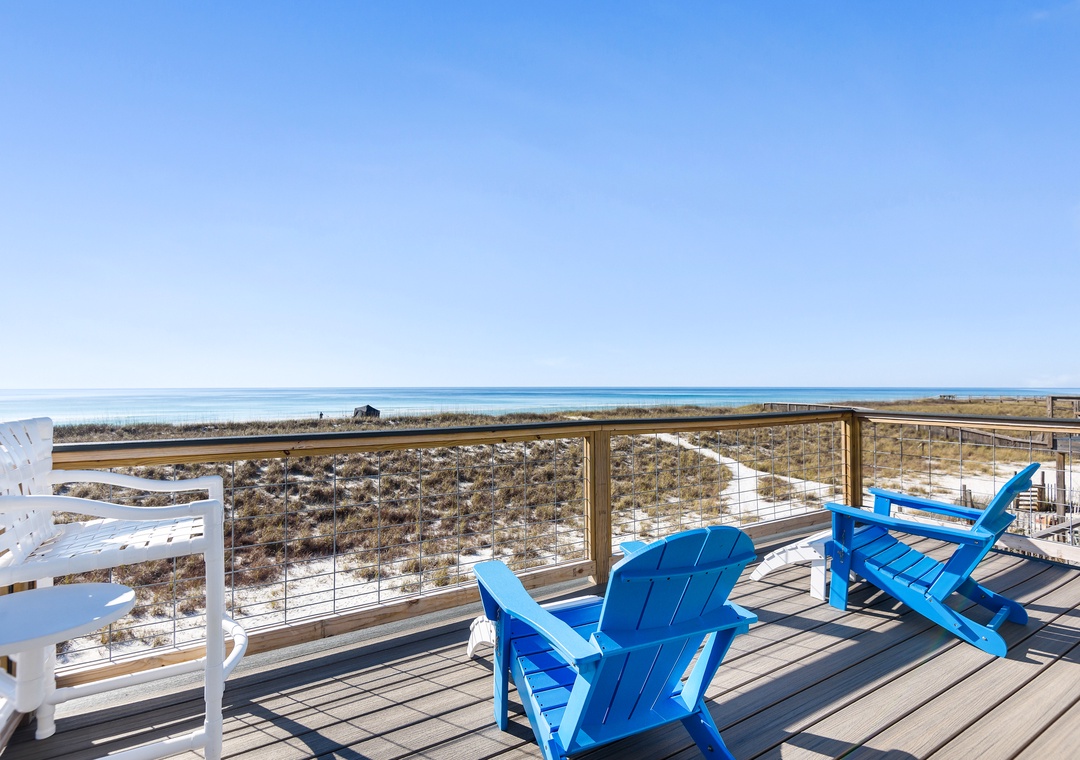
Stay like a local in one of our Gulf-front rentals. At Blue Moon Vacation Rentals, we help guests chasing a pool retreat, planning a snowbird winter stay, or simply looking for a quieter vacation with loved ones, pets included, find the perfect base to experience the best of Navarre Beach with maximum comfort, convenience, and coastal charm.